Labrums are strong rings of cartilage in your body, and when they tear it can have dramatic consequences (or not)
Jenni Sanders
9 min read
Written by Jenni.
Let's start at the beginning:
What is a Shoulder Labrum?
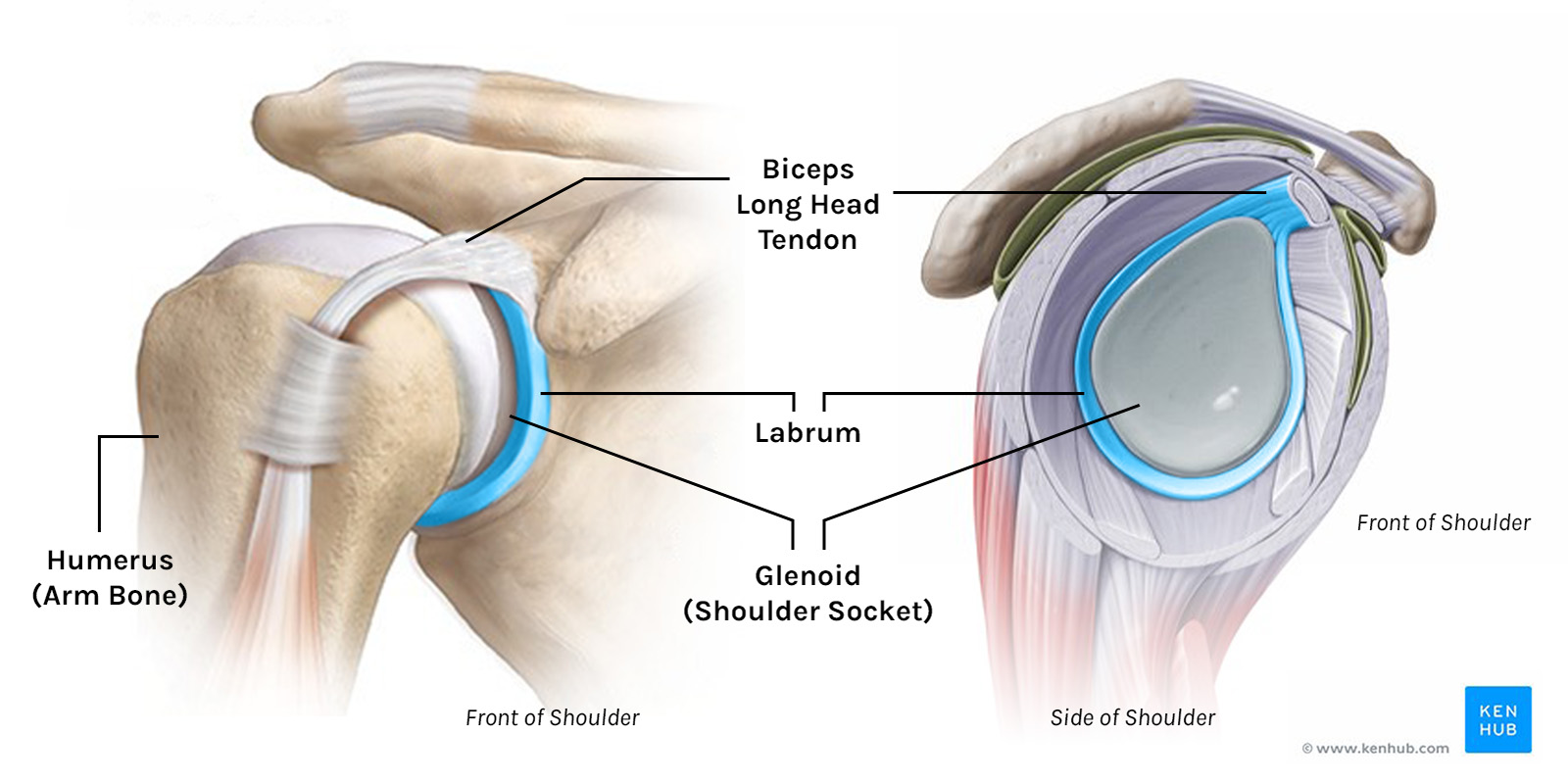
Shoulder Glenoid Labrum - Anatomy.jpg172.44 KB A labrum is a ring of cartilage (specifically Fibrocartilage) that lines your shoulder socket. It is tough, strong and not very flexible! It’s the same material the meniscus in your knee and your intervertebral discs are made of.
Acts as a suction cup, holding your humeral head (the top of your arm bone) in your socket
When the labrum is torn or damaged, this suction cup effect is affected, and results in a loss of stability in your shoulder joint.
Your shoulder will need to rely far more heavily on your ligaments, joint capsule & muscles to hold it in place.
Labrum tears aren’t necessarily painful, nor do they necessarily cause issues. If you have strong, mobile shoulders and good posture many people can be pain free with labrum tears!
They're usually diagnosed via an MRI scan, often requiring Arthrographic Fluid (Contrast Dye) to be injected into your joint to make tears visible.
What causes Labrum Tears?
Trauma like a shoulder dislocation or using your arm to break a fall can damage a labrum. Any sudden, excessive or abnormal movement of your arm bone in the socket stretches your labrum too far, causing it to tear
Labrum damage can also be caused by repetitive overhead motions, such as throwing, some swimming strokes, overhead weightlifting, upper body gymnastics movements, etc.
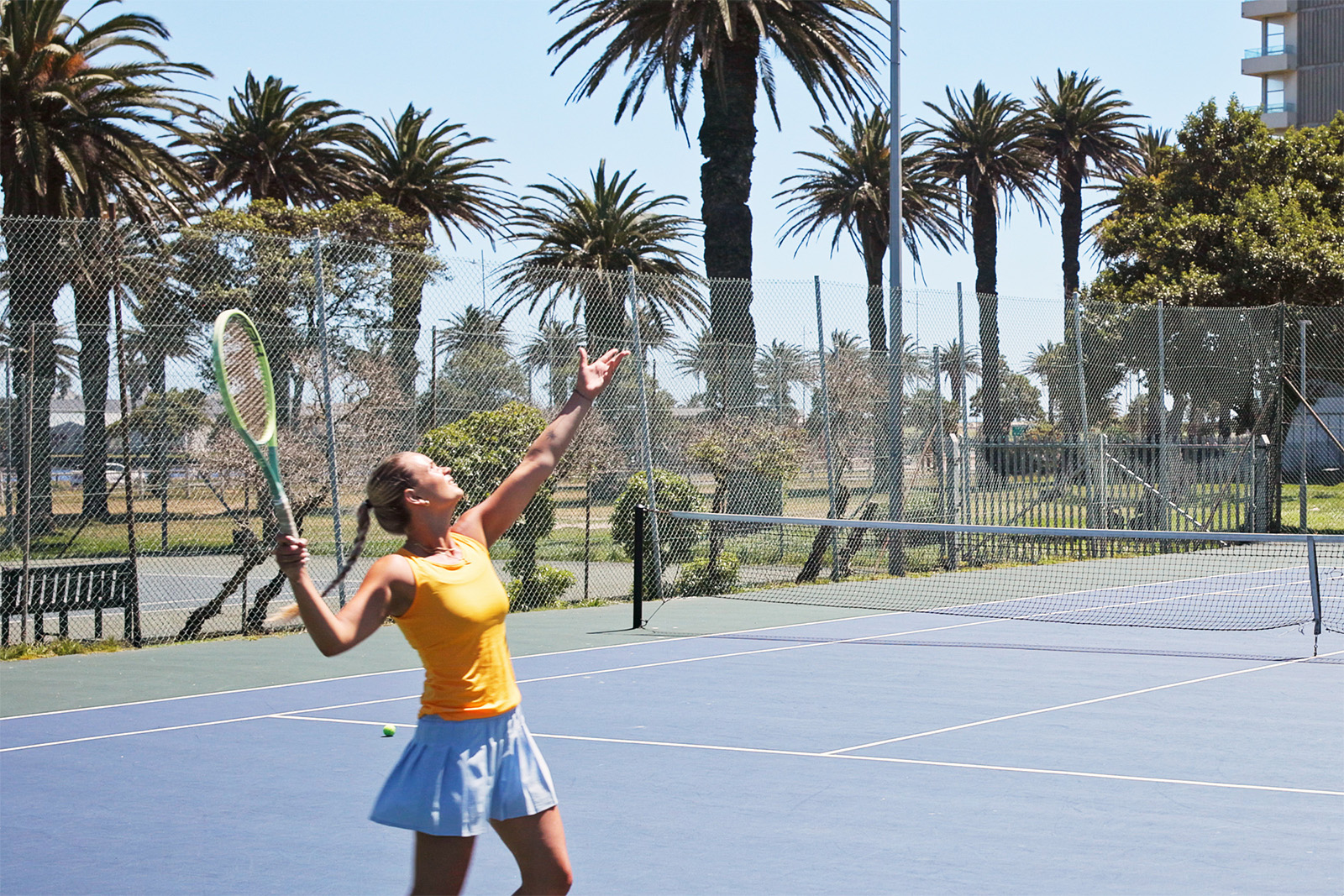
They’re a really common injury for CrossFitters, tennis players, cricket/baseball bowlers, volleyball players - anyone who repeatedly moves their arm overhead with force!
But, doing these movements or sports doesn’t guarantee a labrum tear, nor does having a labrum tear doesn’t necessarily mean you’ll have pain!
People with joint Hypermobility like me can be more susceptible to labrum tears, primarily because they’re more susceptible to dislocations or subluxations, which stretch the labrum to the point of tearing.
If you’re hypermobile, your ligaments are lax due to a defect in collagen formation. As we know, your shoulder ligaments help keep your arm bone in your socket, so if they’re not able to hold it properly it’s far more likely to shift out of position.
Types of Labrum Tear
Note: Damage or diagnosis to your labrum can be referred to as a tear or a lesion
Tear = Specifically a tear, hole or split
Lesion = Any damage to the labrum
So all tears are lesions, but not all lesions are tears!
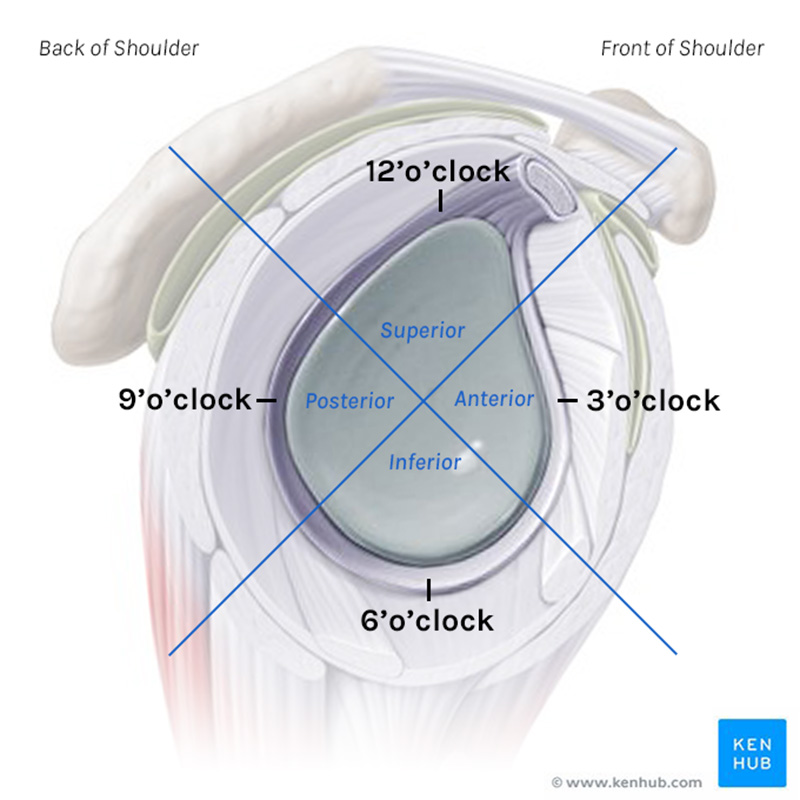
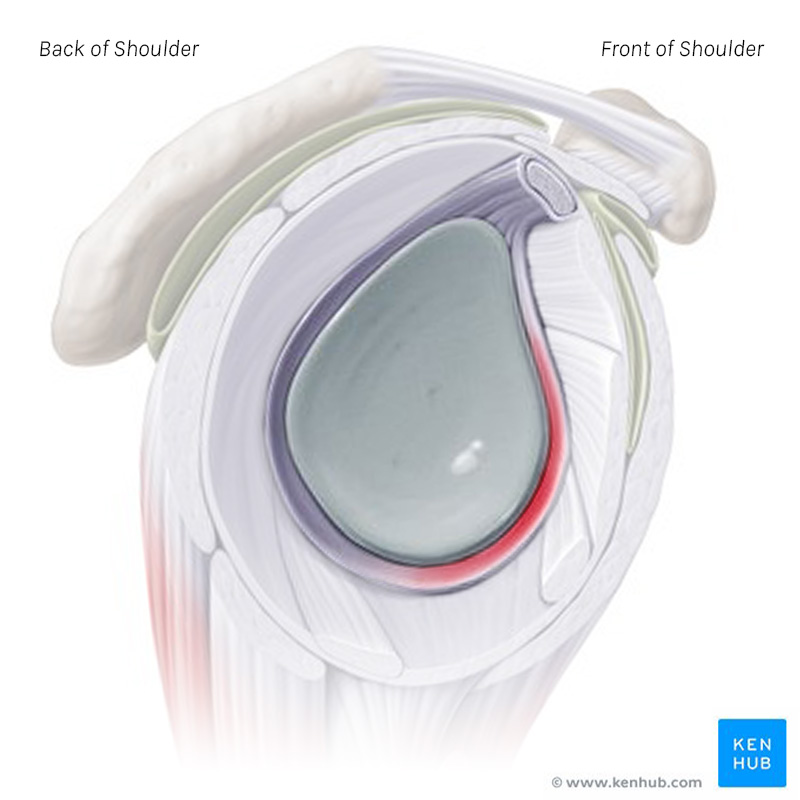
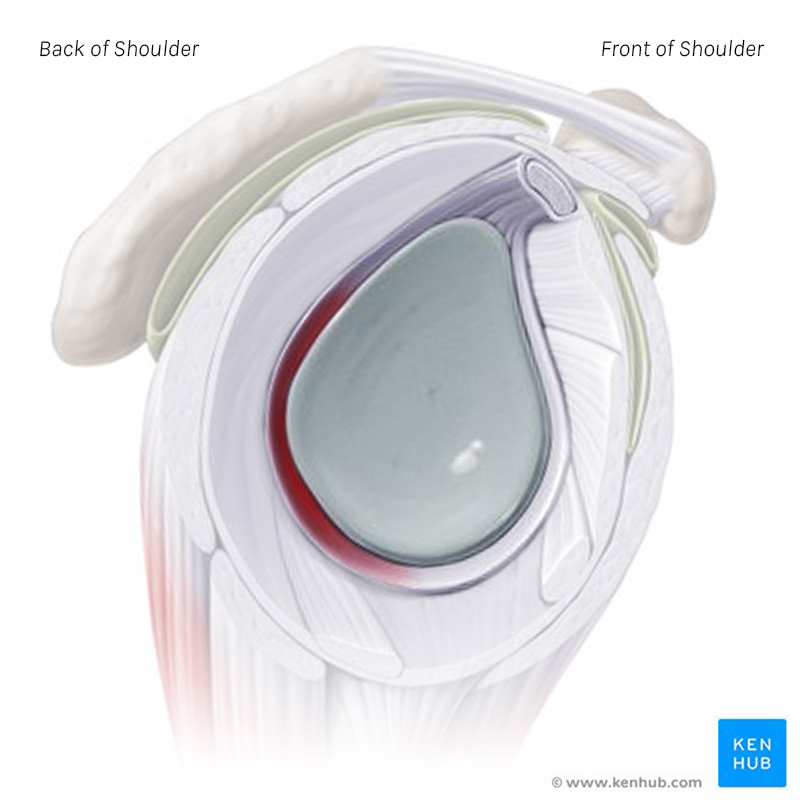
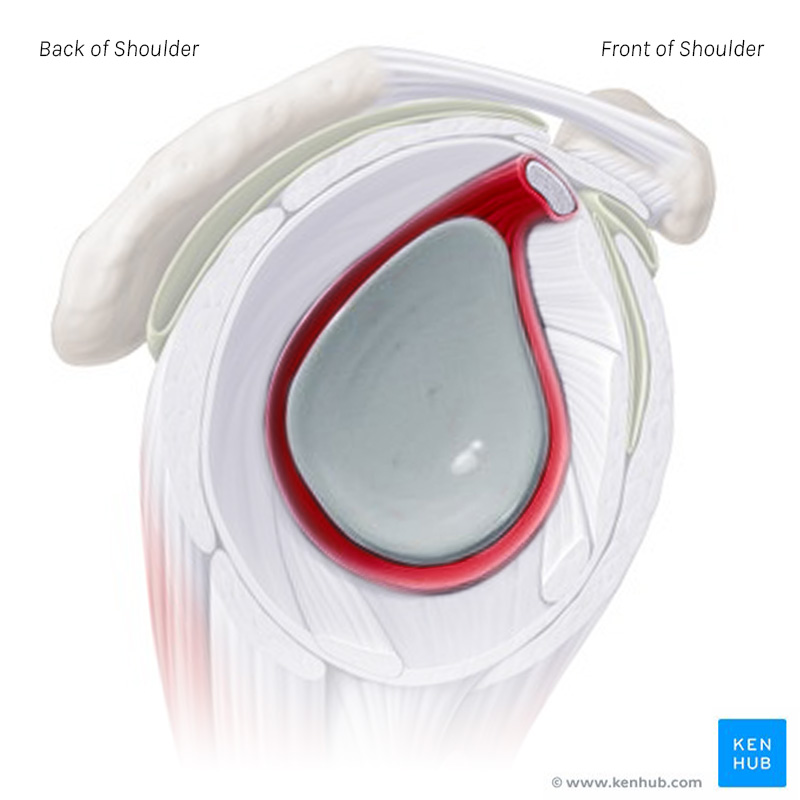
Labrum tears are defined by their location, so the shoulder socket (glenoid) is described as a clock face - with 12’o’clock at the top, 3’o’clock at the front, 6’o’clock at the bottom, 9’o’clock at the back:
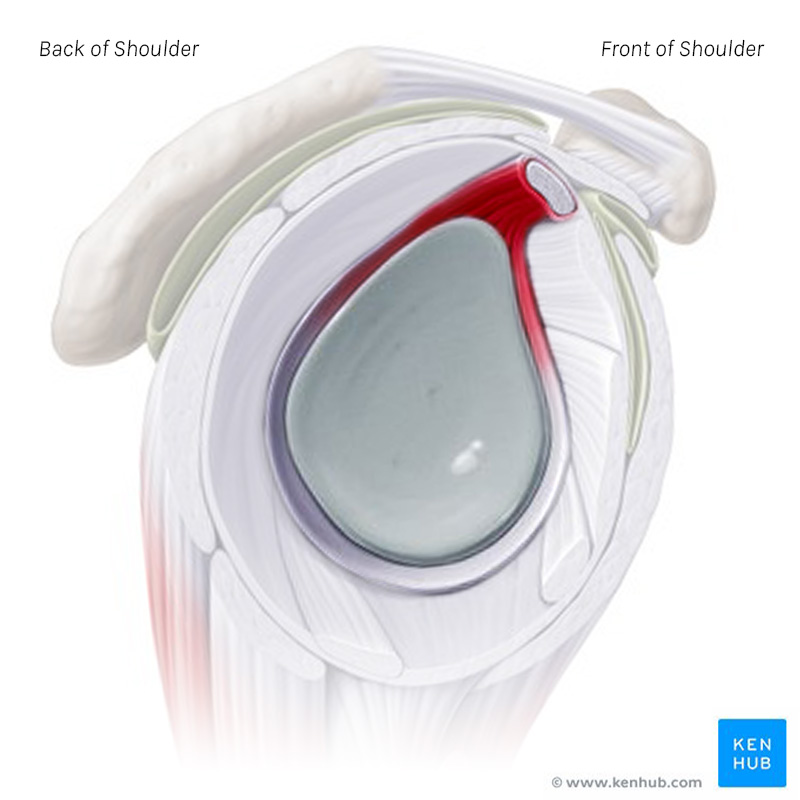
Superior Labrum Anterior-Posterior tears are the most common of all labral injuries, especially amongst athletes. The top, or superior aspect, of the labrum is connected to your long head biceps tendon so it can cause irritation or tightness down your bicep too.
Bankart Lesions or Bankart Tears are on the Anterorinferior aspect (the front bottom) of the labrum, and are sometimes called Anteroinferior Glenoid Labrum Lesions.
Around 90% of shoulder dislocations are anterior, so dislocations often cause a Bankart Lesion more frequently than a SLAP tear
Sometimes called Reverse Bankart Lesions, these are tears found on the posterior (back) of the labrum.
Unlike SLAP and Bankart tears, posterior tears are more commonly associated with repetitive “microtraumas” rather than a single event so they can be difficult to diagnose.
Some tears can be severe enough to affect multiple aspects of the labrum, and these are referred to as Pan-Labral, Circumferential or 270 degree tears.
Side Note: Paralabral Cysts
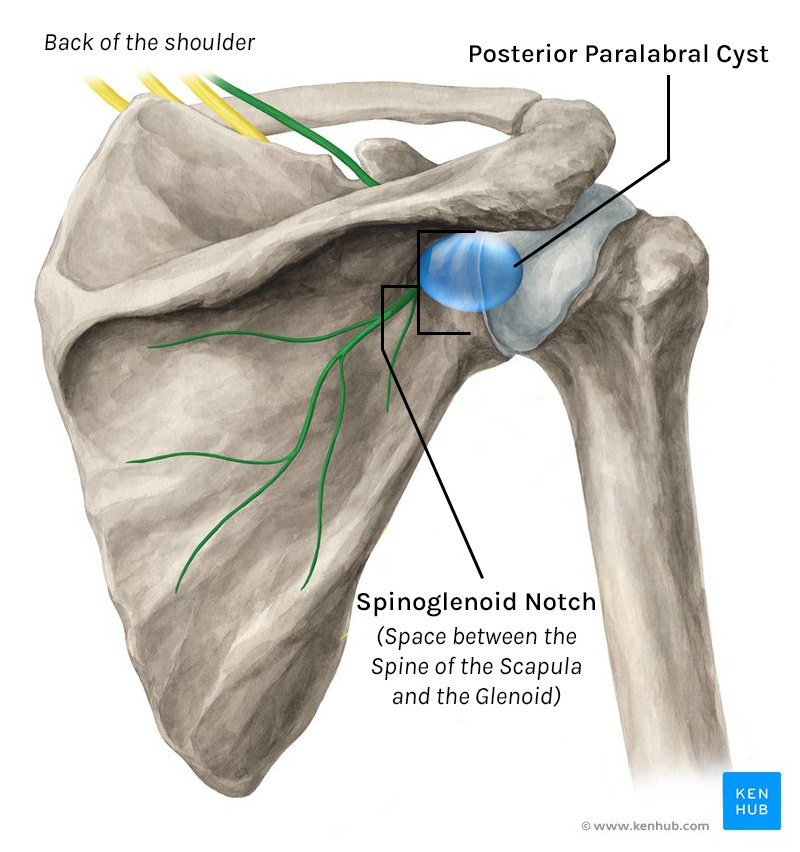
A comorbidity of a tear can be a Paralabral Cyst, which is where synovial fluid leaks out through tear and forms a pocket of liquid in the joint. (‘Para’’Labral’ simply means a cyst, ‘alongside the labrum’).
The Cyst itself generally isn’t harmful or malignant, and it might not cause any pain! But it can press on nerves, which can cause weakness or pain.
Can a Labrum Tear heal by itself?
The fibrocartilage that makes up the labrum doesn’t have blood vessels and so has a very limited blood supply… and unfortunately tissues that don’t receive regular nutrients don’t tend to heal.
However, you can still become pain free without needing surgery!
Increasing muscle mass, joint stability and healthy shoulder & scapula movement all can lead to a stronger, pain free shoulder even with a labrum tear
This is what I did with my right shoulder tear, here’s the exercises I found most effective:
Exercises for a Labrum Tear
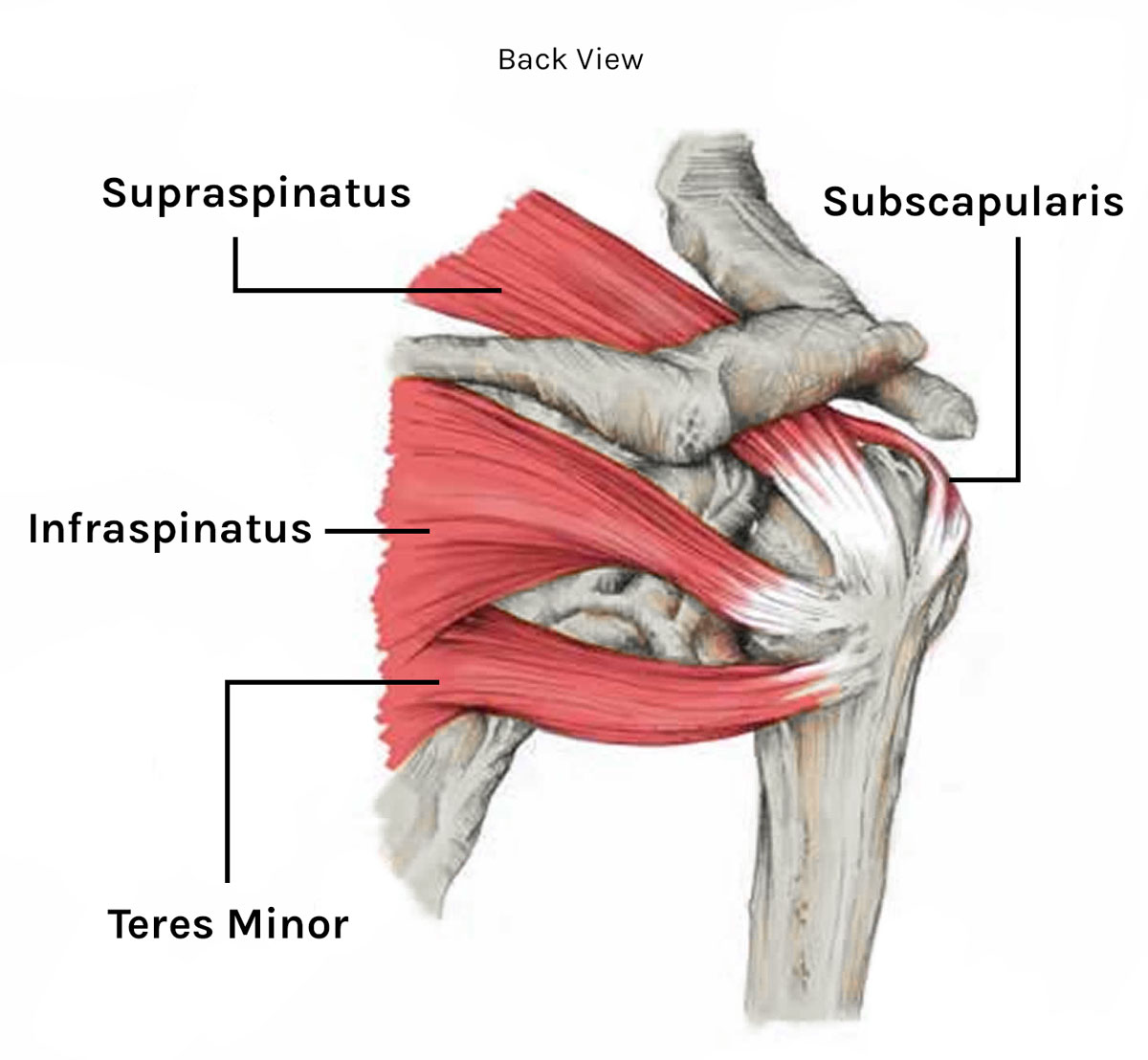
The muscles we want to focus on are the rotator cuff as well as the bigger, more superficial muscles (muscles closer to the surface of your skin)
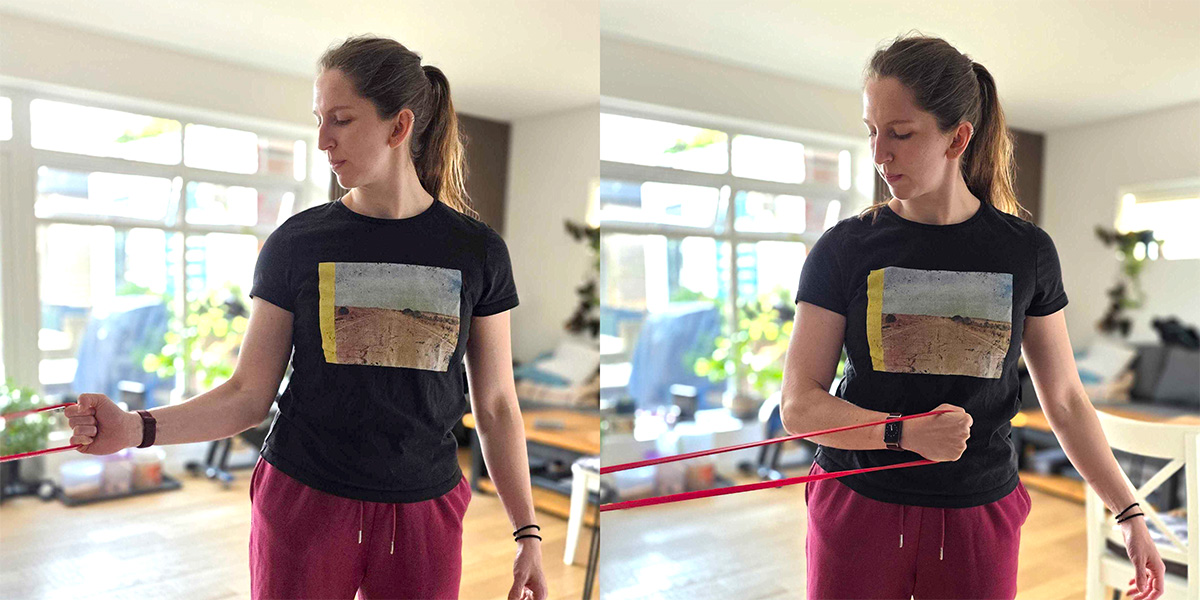
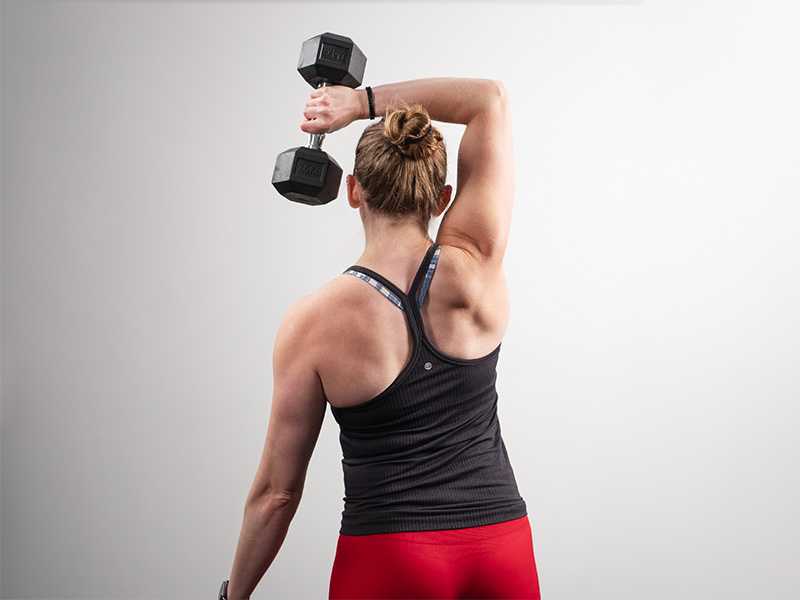
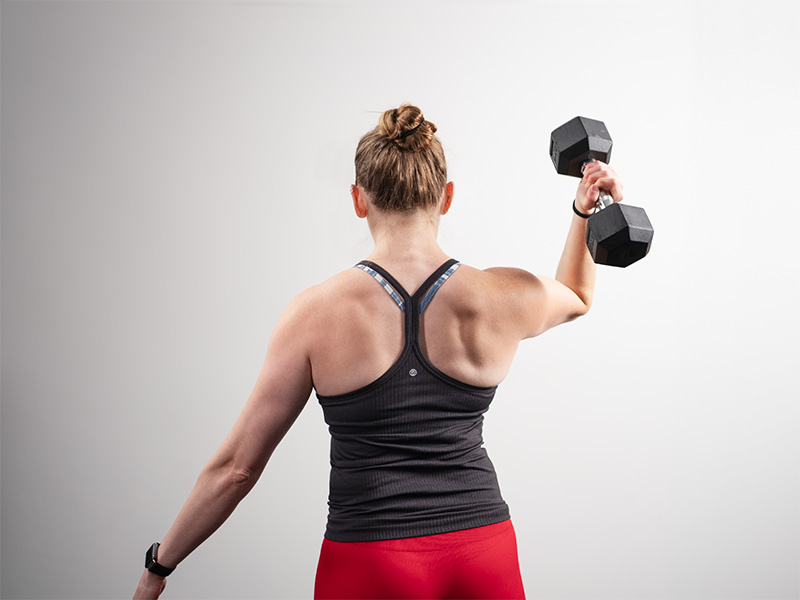
If you’re in acute pain, then you first step will be highly controlled, focused & limited range of motion exercises with very light weights or bands, for example:
I’d recommend working through this stage with a physiotherapist who can guide your progress.
When you can move your shoulder more freely with a duller, less sharp pain then you can progress onto the below exercises!
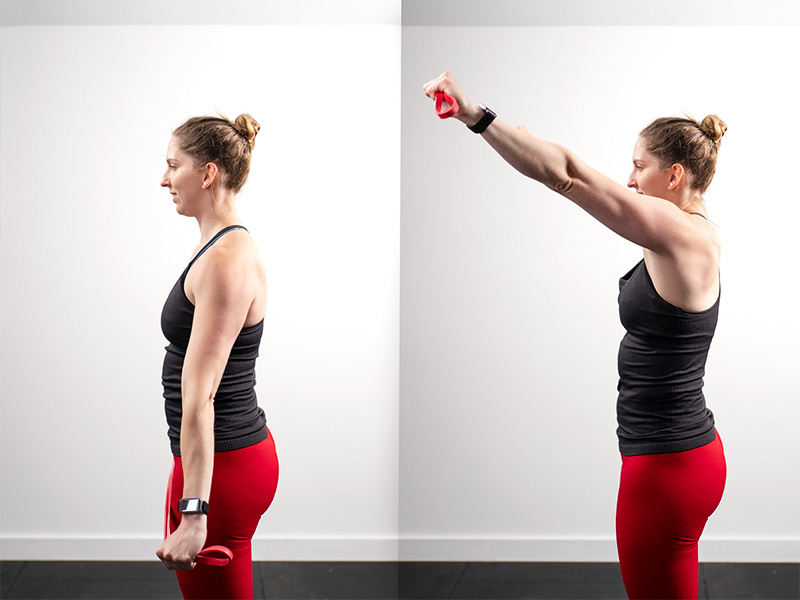
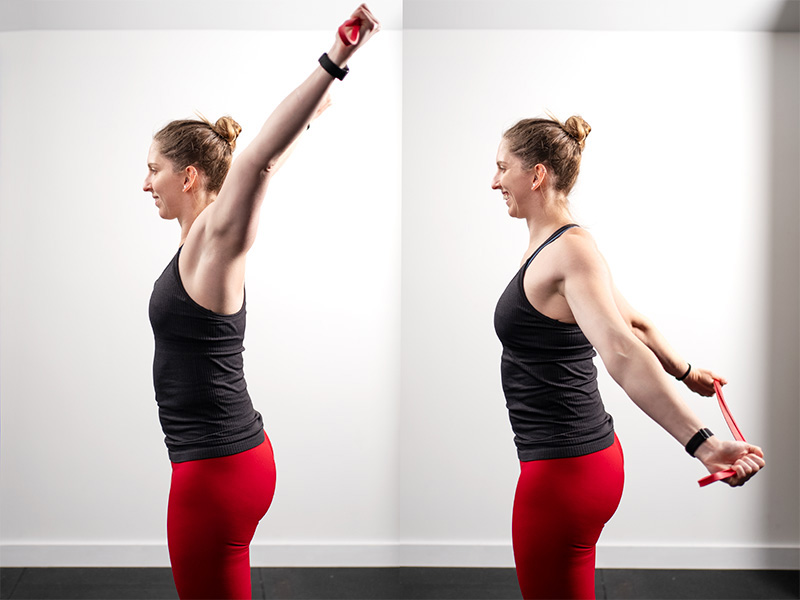
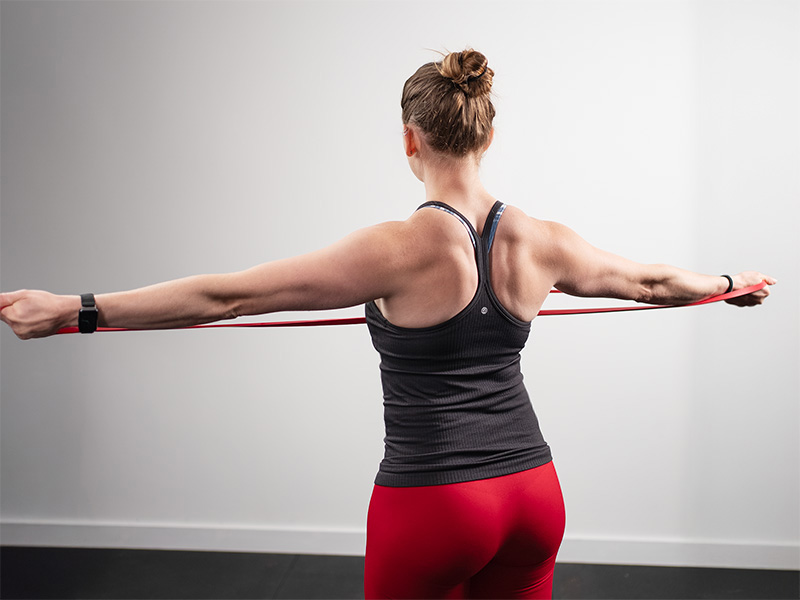
Slow Shoulder Banded Dislocates
Improve your full Active Range of Motion! Using a light resistance band, move through a full rotation of your shoulder from front to back in a slow & smooth motion.
This exercise will highlight weaknesses and limitations in certain angles, but keep breathing, keep moving slowly through them, and these “sticking points” will improve with practice! 05 Resistance Bands1 - Rotation1 - SPF - Rect.jpg93.13 KB
This exercise strengthens through internal & external rotation as well as flexion, protraction with some retraction and extension - pretty much everything your shoulder can do!
Because of the large range of motion in weird angles, start off very light and only increase weight when you feel fully in control of the entire movement
Joint centration (having your arm bone central in the socket) is super important to keep pressure off the labrum! It’s likely that your shoulders are slightly forward due to slouched postures, so building your back muscles & shoulder retractions helps pull them back!
I’ve put all these moves together (plus a few more!) in a follow along routine you can do alongside me while I was going through my own shoulder recovery!
youtubeid=2KFHwxrjUrA
Now let’s move onto the bigger muscles!
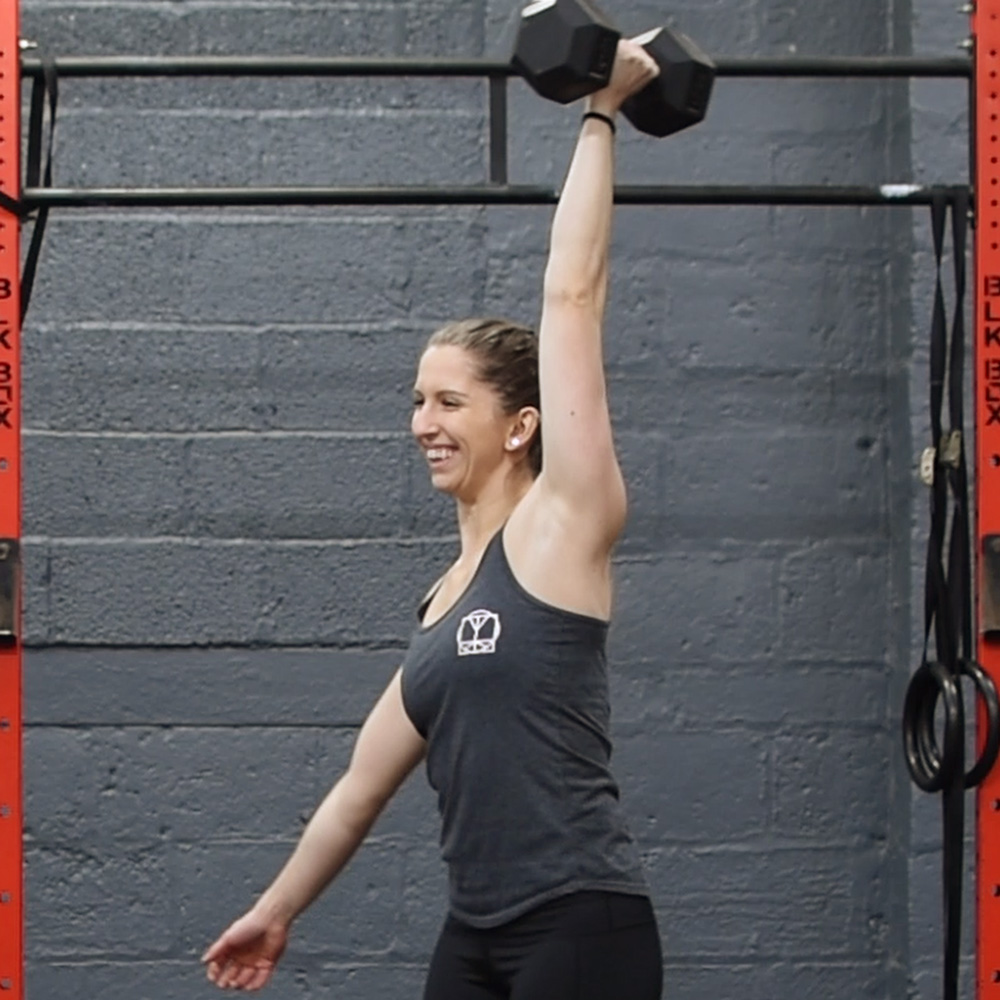
Overhead Holds/Carries
We build stability by deliberately making yourself wobble! Holding a heavy weight overhead in full flexion will challenge your shoulder stability, then you can increase difficulty by walking while holding the weight, or even progress to overhead lunging!
Your lats are big shoulder stabilisers because they attach directly to your arm bone. Lats are also commonly underdeveloped and underactivated muscles (despite being the widest muscles in your body!)
Start building lat strength with pull downs, then as you get stronger, progress onto pull ups!
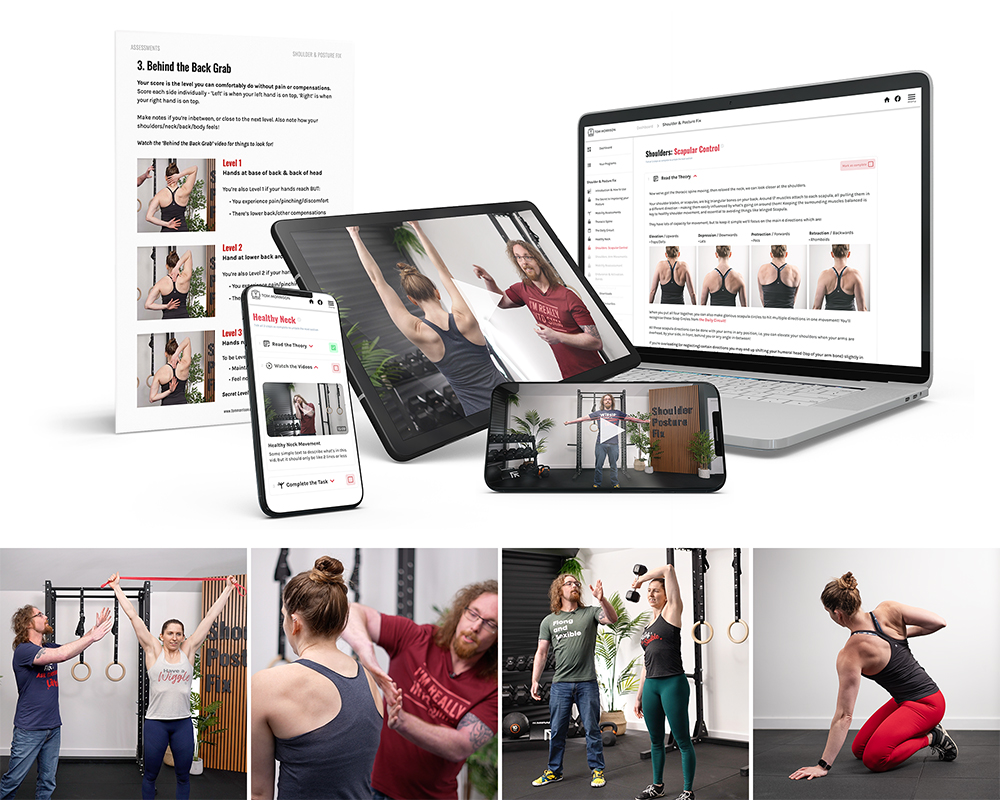
If you want a step-by-step, progressive online program to improve your shoulder mobility, stability, and strength then check out our program Shoulder & Posture Fix
Physical therapy, strengthening & posture is the first route you should try, but sometimes pain doesn’t reduce and/or range of motion doesn’t improve after consistent work over a number of months. It’s at this stage you might be recommended steroid injections or surgery.
What is Labrum Repair Surgery?
Labrum repair surgery, or Arthroscopic Shoulder Stabilisation, is a “minimally invasive” keyhole procedure, which means the surgical instruments are slotted through 5-7mm incisions, rather than opening up your arm.
Essentially, it’s a short procedure of “cleaning up” or trimming any frayed labrum tissue, then reattaching the labrum/biceps tendon with sutures and anchors. If there’s no complications, you’d be sent home the same day as the surgery with your arm in a sling.
Labrum Tear Repair Rehab Timeline
Everyone’s recovery will be different, but generally the rehab timeline after surgery will be:
0-1 weeks - Arm in a sling, gentle movements of the wrist & hand
1-4 weeks - Wearing your sling most/all of the time. Gentle arm movements through a small range of motion. Avoiding anything overhead or max external & internal rotation
4-6 weeks - Reducing use of the sling. May introduce assisted shoulder flexion & external rotation
6-12 weeks - Stop using a sling & start light strengthening! But generally keeping the arm bent (“Short Lever” / Closed Chain Exercises), still avoiding fully extended positions (“Long Lever” / Open Chain Exercises)
12+ weeks - Depending on the type/severity of the repair, you will either be continuing with light strength work, or starting to build to full range of motion and progressing strength training
Full activity with full overhead motions and/or heavy weights aren’t recommended until at least 6 months after labrum repair surgery, with up to 12 months to fully recover!
Take Rehab Seriously
Surgery is traumatic for your body - even minimally invasive ones like this. If you go through the pain of the procedure, make sure to take your rehab seriously!
Labrum repair surgery has an incredibly high success rate, but how well you heal and how much strength you regain depends on you.
Go slowly, be consistent. When it gets hard, boring, painful, or just downright disheartening, take a day off & allow yourself to mope in your misery… then the next day get stuck in again!
You CAN fix you!
And when you’re ready, Shoulder & Posture Fix is waiting for you to give you strong, healthy shoulders for life!